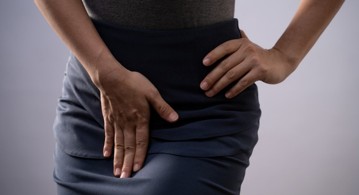
Overactive bladder (OAB) is a common condition characterised by a sudden, strong urge to pass urine, sometimes accompanied by leakage, and often by increased frequency of urination. Many women assume this is something they simply have to live with, but in reality it often responds very well to physiotherapy assessment and management.
At Secret Women’s Business Physiotherapy we approach OAB by looking carefully at how your bladder is functioning within the wider system of the body. One of the first things we assess is fluid intake and timing. Both too much and too little fluid can make bladders unhappy! Bladders tend to struggle when they are required to fill too quickly and can get irritated if there is too little fluid. Large volumes of fluid in a short period of time can trigger urgency, whereas evenly spaced fluid intake allows the bladder to fill gradually and comfortably.
We also consider bowel health. The bladder sits within a shared space in the pelvis, and when the bowel is full or sluggish it can place pressure on the bladder. Improving stool consistency and bowel regularity can therefore reduce pressure on the bladder, support more comfortable bladder filling and reduce the bladder’s reactive response as it fills.
Another important part of assessment involves identifying urgency triggers. Some people notice a sudden urge when they put the key in the front door, hear running water, or arrive at the bathroom. Certain foods and drinks can also irritate the bladder lining and worsen urgency. By carefully assessing your bladder diary and identifying these triggers, we can help retrain the bladder’s response.
A helpful clinical tool is a sensation-based bladder diary, which records not only how often the bladder empties but also how the urge feels at different stages of filling. This provides valuable insight into the bladder’s behaviour, how its nerves are communicating with the brain, and helps guide an individualised management plan. Depending on the outcome of your diary, bladder training strategies may be used to reduce the urgency response.
In some cases we may also recommend transcutaneous tibial nerve stimulation (TTNS). This treatment uses gentle electrical stimulation (TENS) at the ankle to influence nerve pathways that communicate with the bladder, helping to calm bladder overactivity.
Pelvic floor muscle coordination is also important, as well-timed pelvic floor contractions can help suppress urgency and improve bladder control.
The encouraging news is that success rates with physiotherapy management for overactive bladder are very good. With careful assessment, education, and targeted strategies, many women experience significant improvement in urgency and bladder control.
If your bladder feels unpredictable or “misbehaving,” a women’s health physiotherapy assessment can help identify the underlying drivers and guide effective treatment. The team at Secret Women’s Business Physiotherapy would be delighted to support you in understanding and improving your bladder health.